Building Resilient Food Systems
Agriculture is the backbone of Kenya's rural economy, yet 7.2 million smallholder farmers remain economically vulnerable due to fragmented markets and unreliable payments.
At the same time, up to 50% of fresh produce in Sub-Saharan Africa is lost between harvest and market. With Africa's population projected to double by 2050 and climate change threatening productivity, the urgency to build inclusive food systems has never been greater.
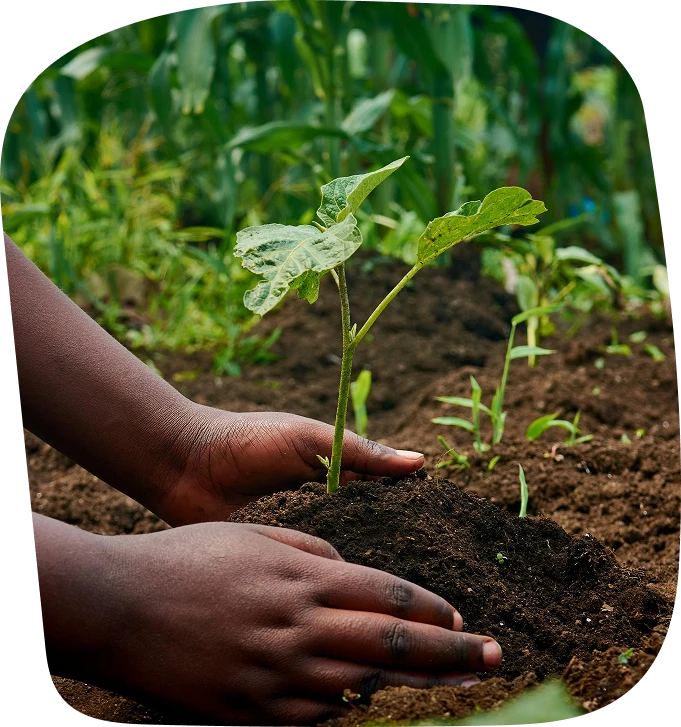
Why
Inefficient supply chains cause significant food loss, leading to lost income, avoidable emissions, and wasted resources. African produce remains under-utilised globally.
How
Farm to Feed builds structured, transparent, and demand-driven supply chains. Using digital tools, farmer training, and value addition, we create consistent markets for farmers while improving supply chain efficiency, extending product shelf life, and reducing environmental impact.
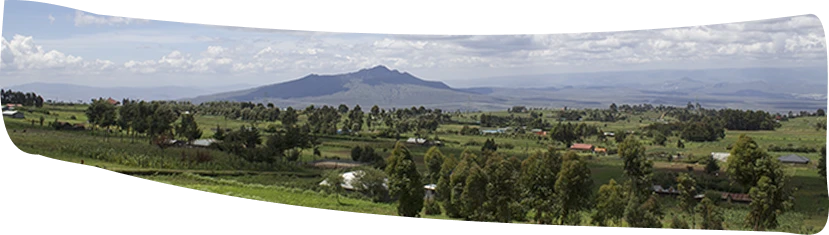
Our strategy is built on the conviction that food systems only work when farmers, markets, and the environment are strengthened together.
We translate this approach into five integrated pillars

Empower Farmers & Communities
We strengthen farmer capabilities and local employment to build resilient livelihoods across the supply chain.
235
Farmers Trained
1094
Jobs Created

Provide Reliable Market Access
We provide reliable market access that reduces risk and stabilises farmer income.
+294%
Farmer Income Increase
$100
Total Income to Farmers

Build Zero-Waste Supply Chains
We reduce food loss by keeping more of the harvest in the human food supply chain.
1M
KGs Processed
2,410
tonnes CO2e avoided
66M
litres of blue water wastage avoided

Create Climate-Friendly Products
We strengthen climate resilience by developing value-added pathways for underutilised crops.
6 Month
Shelf life extension on average
1 MLN
KG of food saved
Unlock Demand and Global Reach
We unlock regional and global demand for locally produced ingredients.
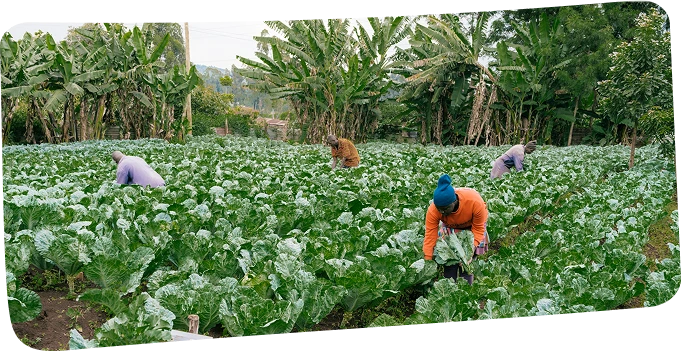
Impact that travels from farm level to customer counter
At Farm to Feed, we create impact throughout the supply chain, from farm level to customer counter. Our long-term outcomes lead to prosperous farmers, strong communities, and a climate-resilient food system that positions Africa as a leader in the production of sustainable ingredients.
Read Our Impact Report 2025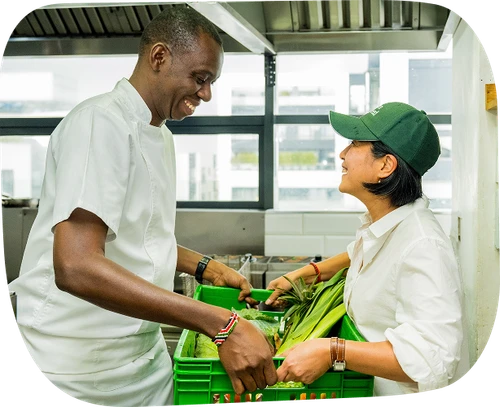
Our impact metrics align directly with the SDG targets
In line with the GRI reporting standards, this provides transparency and accountability throughout the supply chain.

Through market acces, we generate additional income for smallholder farmers, who make up a large proportion of the rural poor and often live on less than $2 a day.

We contribute to food security by increasing the availability of safe and nutritious food through more efficient and sustainable agricultural supply chains.

We remove barriers to market access, giving women — who form the majority of smallholder farmers — more time to invest in their businesses or education. We have also made gender diversity commitments across our workforce, leadership, governance, and supplier ecosystem.

Our growth and diversification strategy creates additional job and growth opportunities for young Kenyans.

We prevent food loss by creating market demand for the full harvest, including produce that does not meet traditional buyer requirements. By keeping more edible produce in the human food system, we reduce waste and improve resource efficiency across the supply chain.

We avoid greenhouse gas emissions in two ways:
- Offsetting similar demand: if food is eaten instead of discarded, less food will have to be produced and fewer emissions result.
- Avoiding food loss destination emissions: if food is eaten instead of discarded, emissions related to food loss destination (e.g. a landfill) are avoided.
Farm to feed indirectly contributes to:


